The sony aibo robot dog combines expressive movement with cameras, microphones, touch sensors, and software designed to help it respond to people. Its animated eyes, turning head, and small paw movements can make a living room feel less quiet. Still, Aibo is a companion robot, not a real dog. It cannot replace outdoor exercise, care, or the unpredictability of an animal.
For buyers in China, price deserves careful checking. The final cost may depend on the seller, shipping, taxes, warranty coverage, and whether a service plan is included. Availability and software support can also vary by region. Ask for the exact model, a written warranty, and clear details about app access before paying. A low listed price may not include the costs that matter later. That matters.
Aibo’s features are appealing, but they work best with realistic expectations. Its cameras and sensors help it notice people and objects, while connected software can support interaction and development over time. Owners can use Sony’s app features where available to manage aspects of the experience. Yet responses may feel repetitive, and connectivity can affect some functions. Small detail: it needs charging. This guide will examine its main features, likely ownership costs, and practical checks for China-based shoppers. The aim is not to call it a bargain or a perfect pet. It is to help readers judge whether its technology, care needs, and total price fit their home.
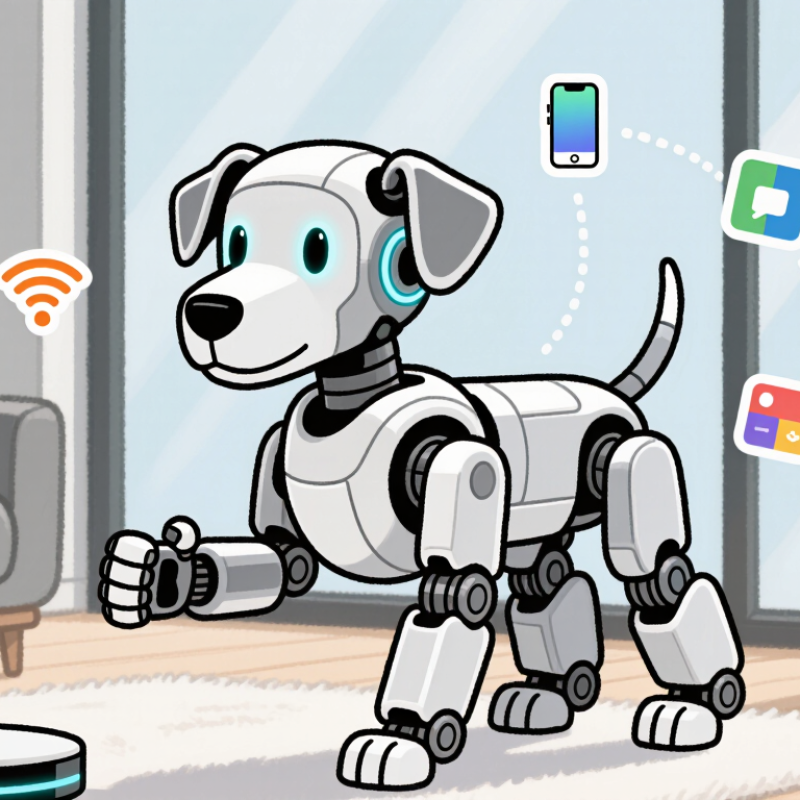
Aibo is a four-legged companion robot designed to behave more like a curious pet than a remote-controlled toy. Cameras, microphones, touch sensors, and moving joints help it notice people and respond to its surroundings. It may turn toward a familiar voice, blink its eyes, wag its tail, or trot across a room. Small actions make a difference.
Its behavior can change over time. With repeated interaction, it may recognize familiar faces and develop preferences, though responses are not always predictable. That is part of the appeal—and a limitation. A robot can imitate playful attention, but it does not feel affection or replace the care a living animal needs. Setup, connectivity, and available features can also vary by model and location, so buyers should check current product details before deciding. The movement can feel surprisingly lifelike. Still, a sudden pause or awkward turn may break the illusion. For some households, that imperfect charm is exactly what makes the experience interesting.
This chart groups common companion-robot capabilities by area. Bars count the example functions listed in this overview, not product performance or availability; features vary by model.
A modern robotic dog feels less like a moving toy and more like a small social machine. Earlier designs often relied on simple, repeated motions: a turn, a bark, or a wag. Newer generations use cameras, microphones, touch sensors, and joint motors to respond to their surroundings. A hand resting on the head may prompt a different reaction than a voice from across the room. Small details matter.
The body has changed too. Softer curves, flexible ears, and more expressive eyes help make movement feel less mechanical. Better balance lets the robot sit, turn, and walk across ordinary floors, though rugs and tight corners can still challenge it. Its software can adapt responses over time, giving familiar interactions a sense of continuity. That is clever, but not quite the same as understanding a person. The distinction matters.
Progress also brings trade-offs. More sensors and processing can make behavior richer, while adding complexity and raising the purchase price. Owners should compare motion quality, available features, and ongoing support rather than judging by appearance alone. Some gestures still look oddly timed. That feels honest. A companion robot can invite play and routine, but its performance depends on the room, its setup, and the patience of the person interacting with it.
A home companion robot dog uses cameras, microphones, and touch sensors to notice people and objects nearby. It may turn toward a familiar voice, blink its animated eyes, or react when someone gently strokes its head. These small responses make interaction feel personal. They are not perfect, though: a noisy room or an unfamiliar phrase can confuse voice recognition.
Movement is another key feature. The robot can walk, sit, stretch, and perform playful gestures, while sensors help it avoid furniture and keep its balance. Some models learn household routines over time and remember interactions through a companion app.
Owners can use the app to review activity or adjust settings, but functions vary by model and software version. Expect a learning curve. A clear charging area and regular software updates can help daily use, while battery life and response speed may differ in real homes.
Its appeal is less about doing chores and more about responsive play, expressive movement, and a small sense of company.
In China, a new Aibo-style companion robot may cost around RMB 18,000 to RMB 22,000, depending on the seller and package. Treat this as a rough market estimate, not a fixed official price. Availability and exchange rates can change the final amount. Check whether the quoted price includes delivery, tax, a charger, and local after-sales support. Ask for the exact model and warranty terms before paying.
It is not a small purchase. The robot can respond to touch, recognize familiar people, and move around on its own, but its behavior may feel unpredictable at times. A quiet room, clear floor space, and regular charging help make daily use easier. Some sellers may list imported units at lower prices, yet repairs and replacement parts can be harder to arrange. That is a real trade-off. I would compare the full cost, not just the headline price, and confirm the return policy in writing.
The price ranges below are general estimates for different types of robot dogs available to Chinese buyers, not quotes for a specific product. Actual prices depend on seller, configuration, import costs, and after-sales service.
| Category | Typical Features | Indicative Price in China | Best Suited For |
|---|---|---|---|
| Entry-level interactive toy | Basic movement, sound effects, and remote or touch control; limited autonomy. | Approximately RMB 100–1,000 | Young children and casual play |
| Educational robot dog | Programmable actions or coding activities; capabilities vary by model. | Approximately RMB 1,000–10,000 | Learning, demonstrations, and STEM activities |
| Premium companion robot dog | More lifelike movement and interactive responses; some models offer sensors, app control, or autonomous behaviors. | Often around RMB 10,000–30,000 or more | Home companionship and interactive experiences |
| Advanced quadruped robot | More capable locomotion, sensors, and development options; often designed for technical or professional use rather than pet-like interaction. | Typically RMB 20,000–100,000+ | Research, development, and industrial demonstrations |
Prices are broad market estimates in Chinese yuan (RMB), not verified live listings. Check the seller’s current quotation, warranty coverage, delivery terms, and service availability before purchasing.
Buy a robot dog through the manufacturer’s official store or an authorized local retailer, where warranty coverage and return terms are documented. Ask whether the quoted price includes charging equipment, delivery, setup, and recurring connectivity or cloud-service fees. Prices vary by country, taxes, and stock, so request a dated, itemized quote before paying. For a used unit, check battery health, account transfer, repair access, and software-update support. A glossy demo is not a durability test.
Try key features in person: voice response, obstacle handling, charging routine, and behavior when Wi-Fi drops. Small details matter. Can it turn on a rug? Will its sounds disturb a sleeping household? The International Federation of Robotics’ World Robotics 2024 report estimated 20.4 million consumer service robots sold in 2023, mainly for domestic tasks. That broad category does not measure robot-dog reliability. Treat it as market context, not proof that every model is mature. Compare warranty length, repair turnaround, spare-part availability, and privacy settings. Save the seller’s written terms. I would pause if those answers are vague. The excitement is real; so is the upkeep.
It can walk, sit, stretch, and make playful gestures. Cameras, microphones, and touch sensors help it notice nearby people and objects. Some gestures feel charming.
It may turn toward a familiar voice, blink, or respond to a gentle stroke on its head. Noisy rooms or unfamiliar phrases can confuse voice recognition. Not always.
Sensors help it move around furniture and maintain balance. Test it on rugs and in tight spaces, since performance can vary at home.
Some models remember interactions and routines through a companion app. Owners may use the app to review activity or adjust settings. Features vary by model and software version.
A new companion robot dog may cost around RMB 18,000 to RMB 22,000. Treat this as a rough estimate; sellers, packages, stock, and exchange rates affect the final price. That's a lot.
Ask whether delivery, tax, charging equipment, setup, and ongoing connectivity fees are included. Request an itemized quote and written warranty and return terms. Details matter.
Try voice response, obstacle handling, charging, and behavior when Wi-Fi disconnects. Check whether it can turn on a rug and whether its sounds disturb people nearby. A demo is not a durability test.
Check battery health, account transfer, repair access, and software-update support. Imported units may cost less, but parts and repairs can be harder to arrange. I would pause if support terms are vague.
The sony aibo robot dog is an interactive companion designed to respond to people and its surroundings, offering a pet-like experience through movement, sounds, and changing behavior. Its design and technology have developed over time, becoming more expressive and capable of recognizing familiar interactions. Rather than serving as a practical household tool, it is intended mainly for companionship and entertainment, with features that encourage owners to engage with it and observe how it responds.
In China, the total cost may vary depending on the model, seller, availability, and any ongoing service requirements, so buyers should confirm the full price before making a decision. Before purchasing, check what is included, how the robot is supported, whether software or connectivity features work as expected, and what after-sales assistance is available. Comparing these details can help set realistic expectations about ownership and long-term costs.