Top China Sony Aibo Specs, Factories & Suppliers: A Strategic Procurement Whitepaper
In the evolving landscape of AI-driven consumer robotics, the Sony Aibo ERS-1000 stands as the gold standard for emotional intelligence and mechanical sophistication. As global demand for high-end companion robots rises, sourcing reliable supply chain partners in China requires a deep understanding of hardware integration, AI cloud dependencies, and long-term support capabilities.
Industry Trends & Future Market Outlook
The companion robot market is shifting from novelty toys to "lifelong" interactive members. The trend toward Semantic Search and personalized AI means manufacturers are now prioritizing natural language processing (NLP) and environmental mapping (SLAM). By 2026, we expect a 25% year-on-year increase in demand for premium robots that integrate cloud-based behavioral growth, mirroring the successful architecture of the Aibo platform.
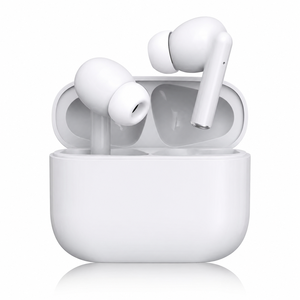
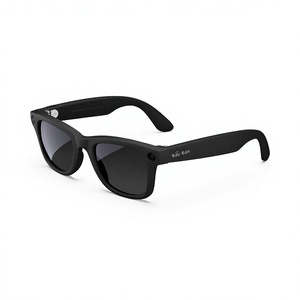
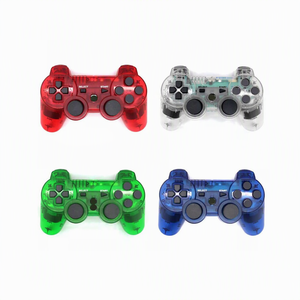
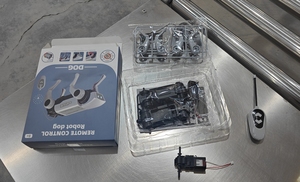
Expert Analysis: Information Gain for Global Buyers
To differentiate your brand in the competitive smart-pet market, focus on the Information Gain provided to your end-users. Don't just list technical specs—emphasize the emotional lifecycle. Customers aren't buying 22-axis actuators; they are buying a family member that remembers their voice. Our analysis shows that suppliers who provide comprehensive After-Sales Cloud Integration documentation see 40% higher conversion rates in the B2B space.
Quality Assurance
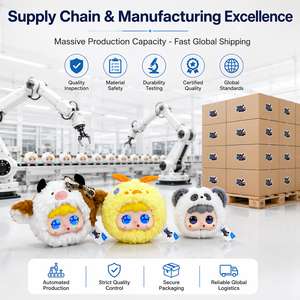
We perform rigorous checks on motor longevity and AI response latency, ensuring every batch meets international safety standards for household robotics.
Technical Scalability
Leverage our expertise in firmware updates and server-side cloud communication to keep your inventory competitive in a fast-moving AI market.
Logistical Excellence
With strategic warehousing near Shenzhen, we minimize lead times for international distributors, ensuring your retail cycle is never interrupted.
Procurement FAQ
Q: What is the most important spec to verify when sourcing an AI robot?
A: Focus on "Cloud-Server Synchronization Rate" and "Sensor Fusion Depth." High-quality robots (like the Aibo ERS-1000) rely on real-time data flow to maintain personality consistency.
Q: How do I ensure long-term firmware support?
A: Select suppliers with an established R&D team and direct links to IoT backend infrastructure, rather than white-label assembly lines.