Engineering Overview: Autonomous Robotic Power Solutions for Belgium
As Belgium deepens its adoption of assistive robotics, healthcare companion units, and interactive household automatons, the demand for precision docking infrastructure has intensified. A high-performance robotic companion such as the Sony aibo (ERS-1000) relies fundamentally on dependable docking, micro-positioning visual targets, and consistent battery cell health management.
As a dedicated hardware engineering and manufacturing partner, Shenzhen Aiborobo Technology Co., Ltd. provides comprehensive contract manufacturing, charging dock OEM/ODM production, and tailored electrical safety adaptations compatible with Belgium's Type E (CEE 7/5) domestic standards, Synergrid low-voltage distribution frameworks, and CE/RoHS directives.
Enterprise Robotics & Companion Hardware Catalog
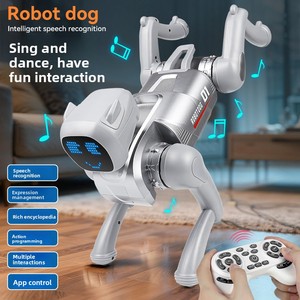
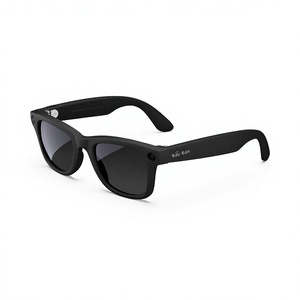
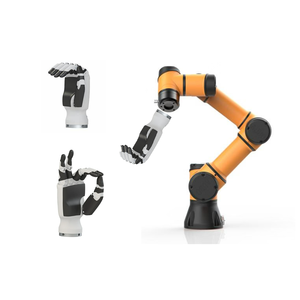
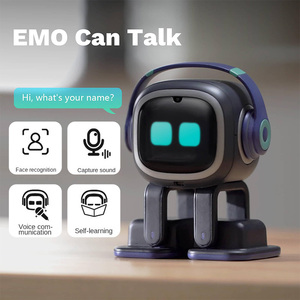
Explore our core robotic assemblies, companion platforms, smart peripherals, and automation accessories designed for wholesale, healthcare, educational, and smart living procurement.

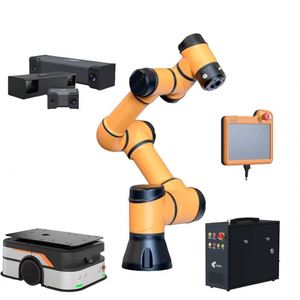
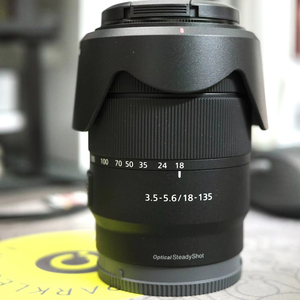
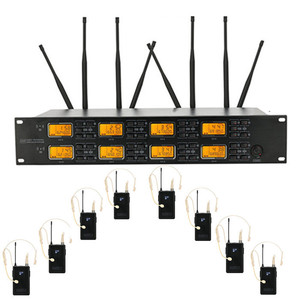
Whitepaper: Engineering Considerations for aibo Charging Infrastructure in Belgium
The Sony aibo ERS-1000 platform represents a pinnacle in bio-inspired consumer robotics, incorporating 22 degrees of freedom, dual OLED ocular panels, SLAM mapping cameras, and localized capacitive sensor arrays. However, prolonged service life and true autonomy depend strictly on the robot's physical interface with its charging base (ERA-1021 series and compatible replacements).
1. Automated Navigational Alignment & Optical Fiducials
When an aibo robot’s lithium-ion pack approaches critical depletion thresholds (below 15% state-of-charge), the internal SLAM engine activates autonomous homing. Factory engineering of docking stations requires strict reproduction of high-contrast infrared and visual AR fiduciary matrices.
- Fiducial Contrast Geometry: The docking mat must maintain precise micro-surface non-glare properties to prevent ambient light scattering under Western European residential lighting (including low-frequency halogen and LED luminaires common in Flemish and Walloon residences).
- Contact Pad Metallurgy: Our manufacturing plant utilizes precision phosphor-bronze terminals with electroplated 24K gold flash (thickness: 3u" to 15u"), preventing electrochemical oxidation caused by Belgium’s higher average relative atmospheric humidity (often exceeding 75–80%).
2. Belgian Grid Topology & Power Supply Safety Standards
Deploying electronic power accessories within Belgium requires strict alignment with the Synergrid C10/11 specifications and compatibility with Belgian Type E (pin earth) sockets. In contrast to standard consumer accessories that ignore transient spikes, our factory-engineered replacement stations feature internal low-noise, ripple-suppressed power adapters (100–240V AC universal input stepping down to 19.5V DC regulated output).
- Transient Surge Suppression: Built-in metal oxide varistors (MOV) capable of absorbing electrical spikes up to 4kV.
- Thermal Protection Loop: Thermal sensing cutoff switches operating at 65°C prevent thermal runaway during rapid continuous docking cycles in retail demonstration booths and medical facilities.
Local Application Scenarios in the Belgian Market
From healthcare facilities in Flanders to Brussels technology centers, explore where robust autonomous robotic charging systems are critically deployed.
Flemish Elder Care & Cognitive Therapy Units
In residential care centers across Ghent, Antwerp, and Leuven, companion robots such as aibo are utilized extensively for cognitive stimulation in dementia care. Charging bases in these institutions require tamper-proof weighted assemblies, floor anti-slip silicon grip pads, and silent electromagnetic coil circuits to avoid agitating patients during night charging cycles.
Brussels Smart Home & Diplomatic Residences
In high-density residential developments in the capital of Europe, luxury technology consumers integrate robotic pets into sophisticated KNX and Matter-based home automation networks. OEM charging docks tailored for this segment incorporate cable-channeling concealment, minimalistic matte architectural finishes, and ultra-compact footpaths.
STEM Innovation Hubs & Walloon Tech Incubators
From the creative university laboratories of Louvain-la-Neuve to tech parks in Liège, academic bodies leverage programmable robotic platforms for educational robotics curriculum. Factory charging stations equipped with multi-point diagnostic telemetry terminals allow researchers to monitor battery discharge curves, current density, and internal resistance degradation over thousands of continuous duty hours.
Localized Market & Regulatory Trends Across Belgium
Key regulatory frameworks, ecological imperatives, and technological shifts shaping robotic accessory procurement in Belgium.
EU Right to Repair & Recupel Environmental Standards
Belgium enforces stringent compliance under Recupel for consumer electronics recycling. Hardware buyers prioritize charging stations engineered with non-glued modular chassis, allowing technicians to replace individual pogo pins, contact springs, and power boards without scrapping the entire ABS-PC injection shell.
Eco-Design & High Energy Efficiency (ErP Directive)
Under the EU Ecodesign guidelines (ErP 2009/125/EC), standby power consumption must stay below 0.1W when the robot dog is away patrolling or sleeping. Our latest factory charging base circuits integrate micro-power auto-sensing relays that throttle input current to nominal passive states until mechanical contact with aibo's docking pads is confirmed.
Integration with Home Micro-Grids
With Flanders rolling out dynamic electricity pricing and digital energy meters (Fluvius system), smart charging docks with programmable or surge-safe power modules help residential users schedule replenishment cycles during off-peak solar generation windows without degrading lithium chemistry.
Frequently Asked Questions: Belgian Procurement
Detailed technical, regulatory, and logistics answers for sourcing agents, robotics distributors, and enterprise buyers.
Are your replacement charging stations fully compatible with original Sony aibo ERS-1000 models?
What electrical plug types and safety certifications are provided for Belgium?
How does the factory prevent lithium cell degradation during prolonged docking?
What are the minimum order quantities (MOQ) and lead times for OEM/ODM shipments to the Port of Antwerp or Brussels Airport?
Can you supply replacement charging mats, power bricks, and spare pogo-pin arrays separately?
Why Partner with Shenzhen Aiborobo Technology Co., Ltd.
Industry-leading engineering depth, precision manufacturing infrastructure, and dependable global fulfillment capabilities.
Dedicated Precision Tooling & Cleanroom SMT
Our Shenzhen factory operates high-speed Panasonic SMT placement lines, dedicated in-house plastic injection tooling, and optical laser calibration rigs. Every dock chassis is built with flame-retardant UL94-V0 poly-carbonate resins for maximum fire safety in European domestic settings.
Comprehensive Robotics Validation Testing
Before batch dispatch, charging bases undergo 100% automated optical inspection (AOI), 5,000-cycle pogo-pin mechanical compression stress testing, and thermal burn-in analysis at 45°C ambient temperatures under full load to guarantee field longevity.
End-to-End European Distribution Support
We provide full documentation packs for European import customs clearances, including Declarations of Conformity (DoC), material safety data sheets (MSDS), UN38.3 transport validation certificates, and direct DDP shipping solutions right to your Belgian distribution warehouse.
Expand Your Robotics Hardware Line in Belgium
Connect with our technical engineering team today to request hardware sample packs, obtain factory pricing schedules, or discuss custom OEM/ODM production configurations for companion robot power bases.
Inquire Now